Selected projects across brand, product, and visual systems
Cool Cats
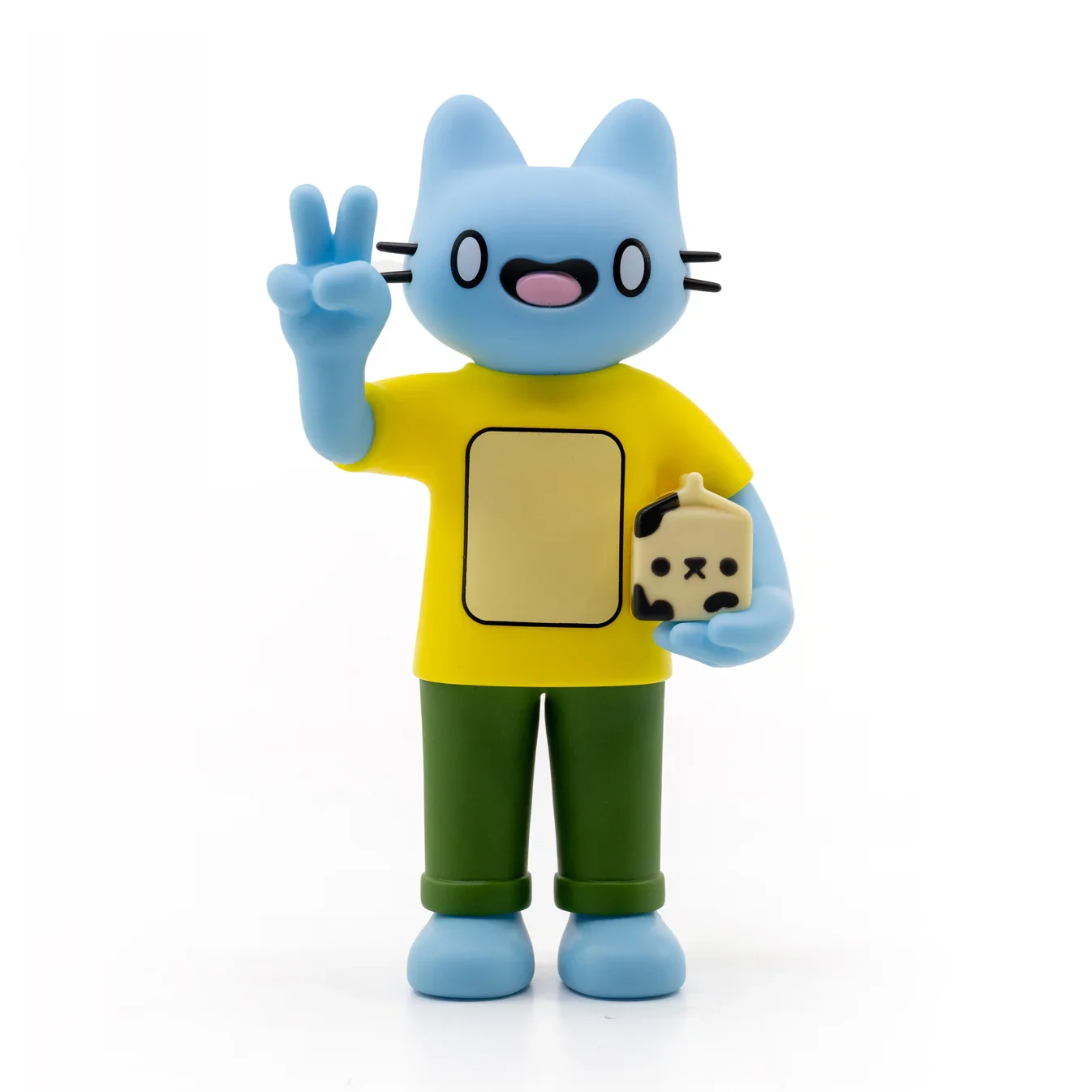
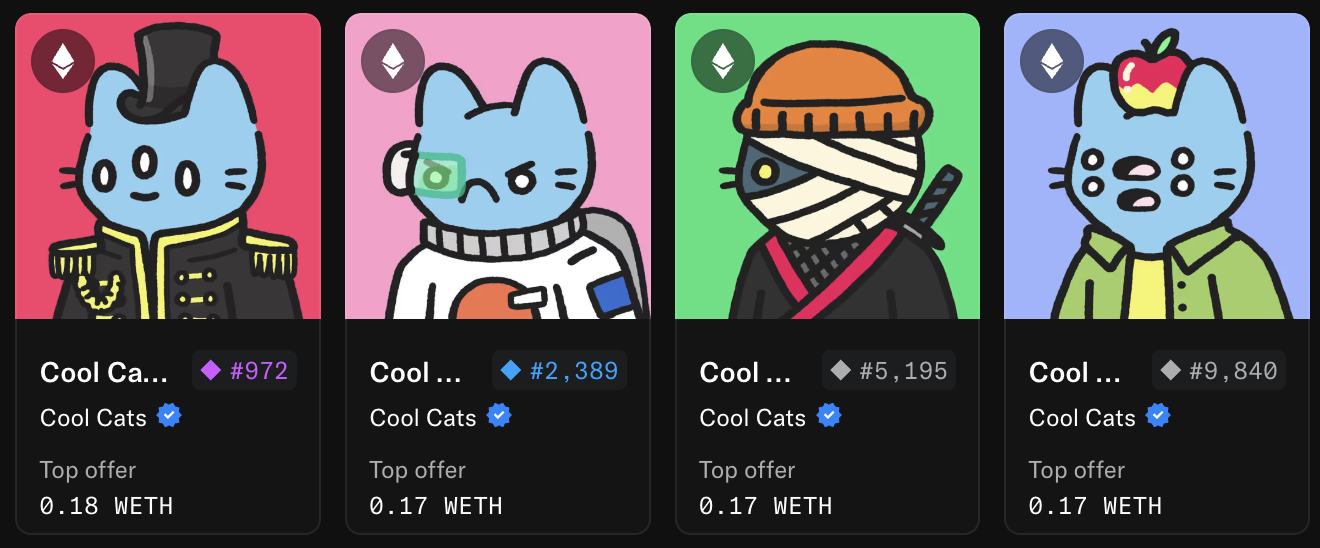
Cool Cats began as an experiment in translating art, identity, and internet culture on-chain. The project grew out of my long-standing creative partnership with Clon, the illustrator behind the Blue Cat character—we met while studying design together, we collaborated on a few art projects and became great friends.
I initiated the project by recognizing an opportunity to bring Clon’s work into Web3, helping shape the concept, positioning, and early direction as it launched. What began as an art-led idea evolved into a large-scale, participatory system blending character, incentives, and community.
Cool Cats became one of the most recognizable Web3 brands of its era, generating over $400M in trading volume, securing strategic investment from Animoca Brands, and expanding into mainstream culture, including a float in the Macy’s Thanksgiving Day Parade (the first NFT brand to make it to the parade!).
My role focused on origination, early vision, and brand formation—guiding the project from concept through rapid scale and shaping how the brand translated across platforms.
Role: Co-Founder — Concept Origination, Vision, and Brand
FEEN (in progress)
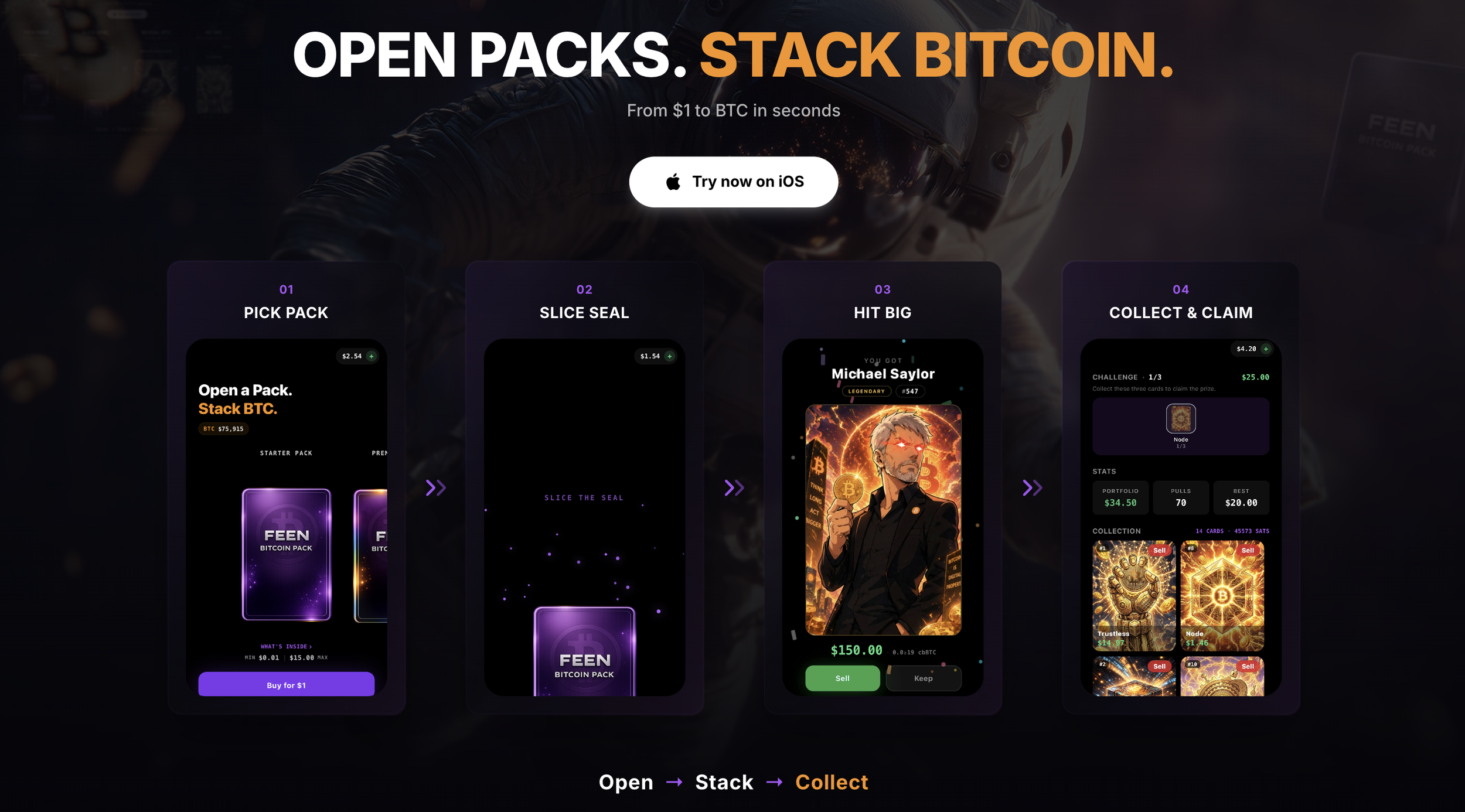
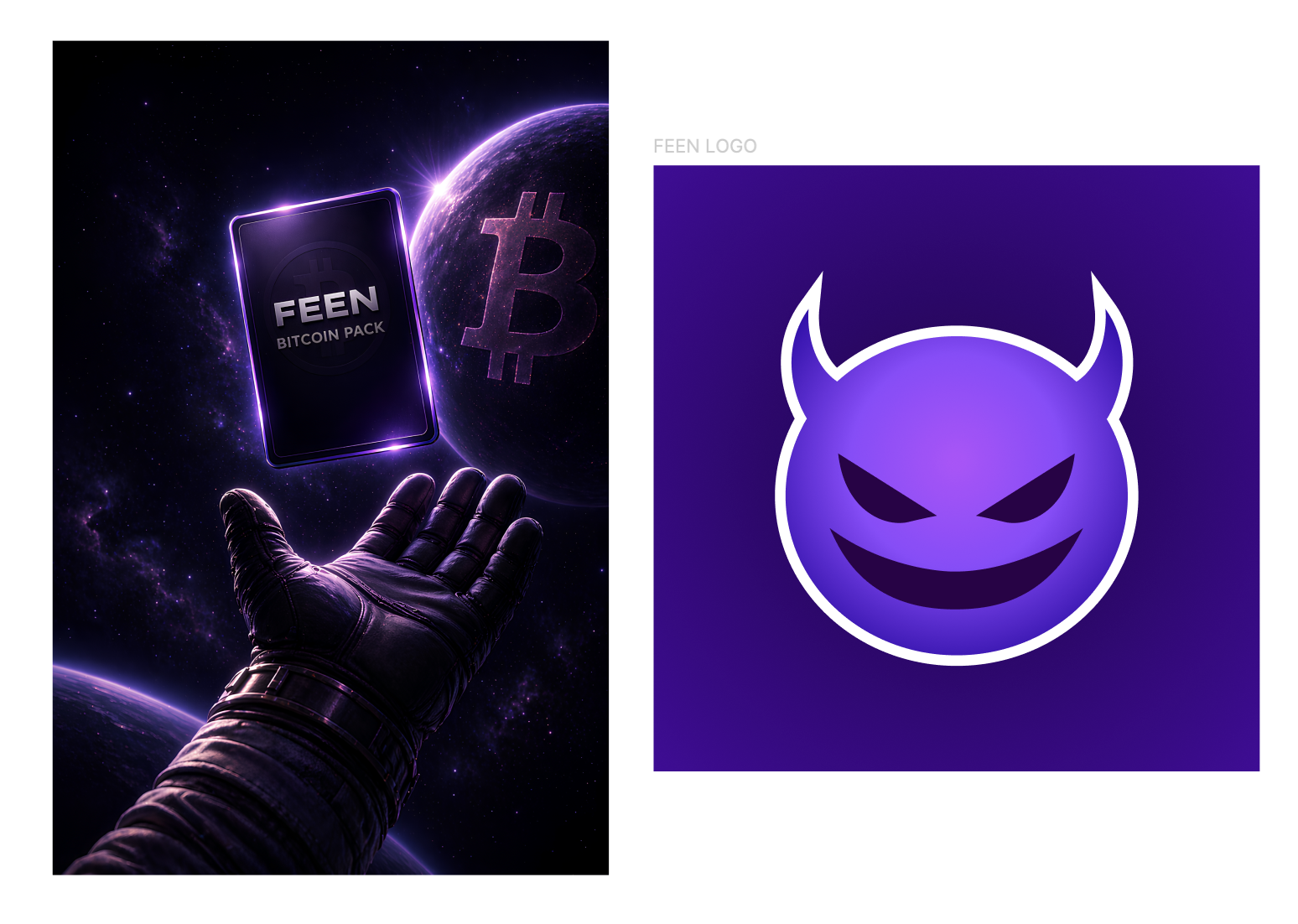
FEEN is an exploration of micro, short-term prediction markets, designed around clarity, speed, and real user behavior. The project examines how people make time-boxed decisions under uncertainty when information and incentives are intentionally constrained. The current game mode, 1000x Racer, serves as an initial exploration of these mechanics.
I’m designing FEEN as a Solana-based product with a deliberately simple interface, reducing complex market mechanics into a small number of clear actions. The work focuses on incentive design, interaction flows, and making outcomes feel legible and fair without oversimplifying the underlying system.
FEEN reflects my current approach to product design: starting with behavior first, designing around constraints, and iterating toward solutions that feel obvious in hindsight.
Role: Founder / Product Designer
Scope: Product concept, UX flows, interaction design, visual system
BLOCKALIZER
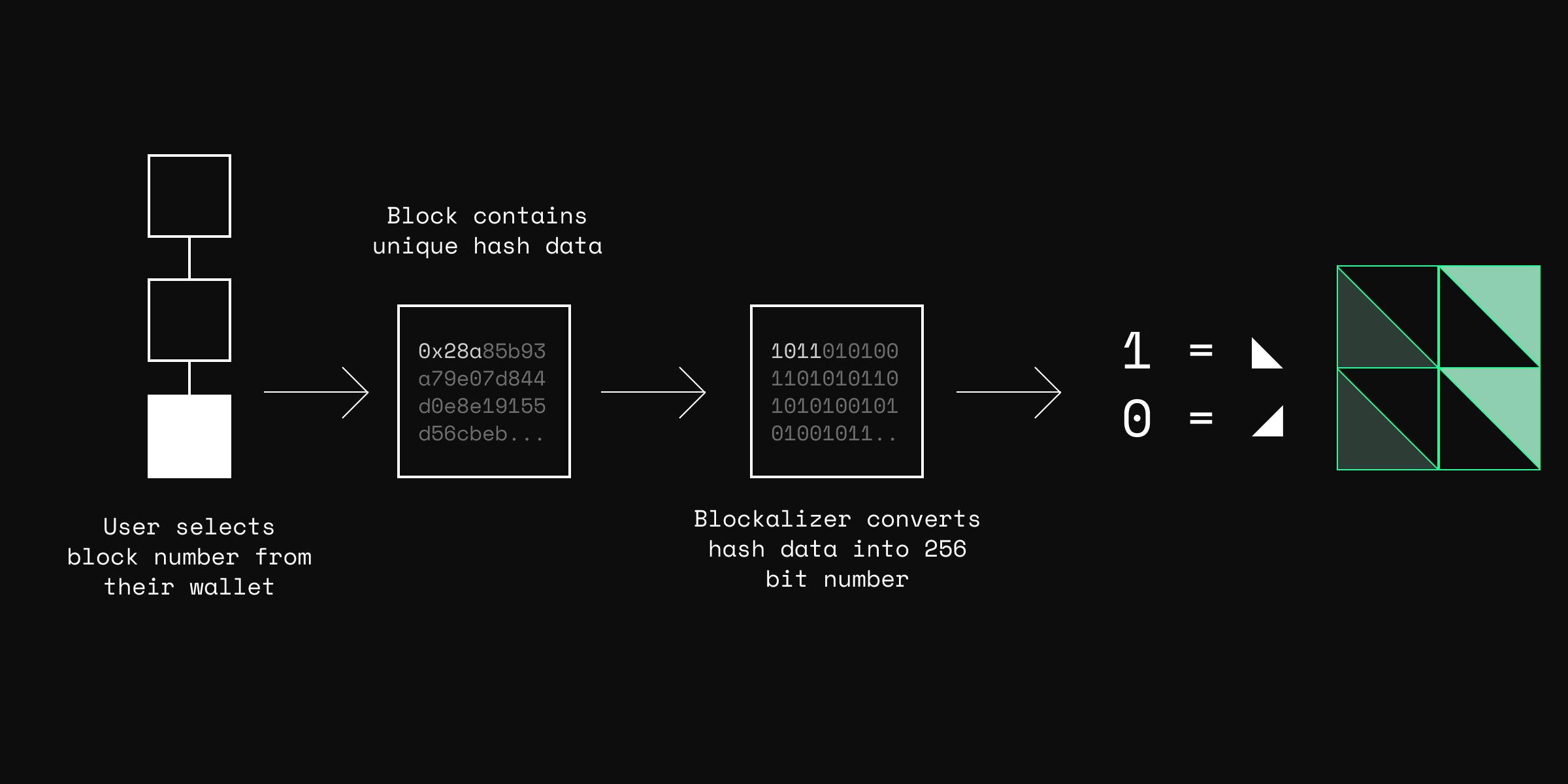
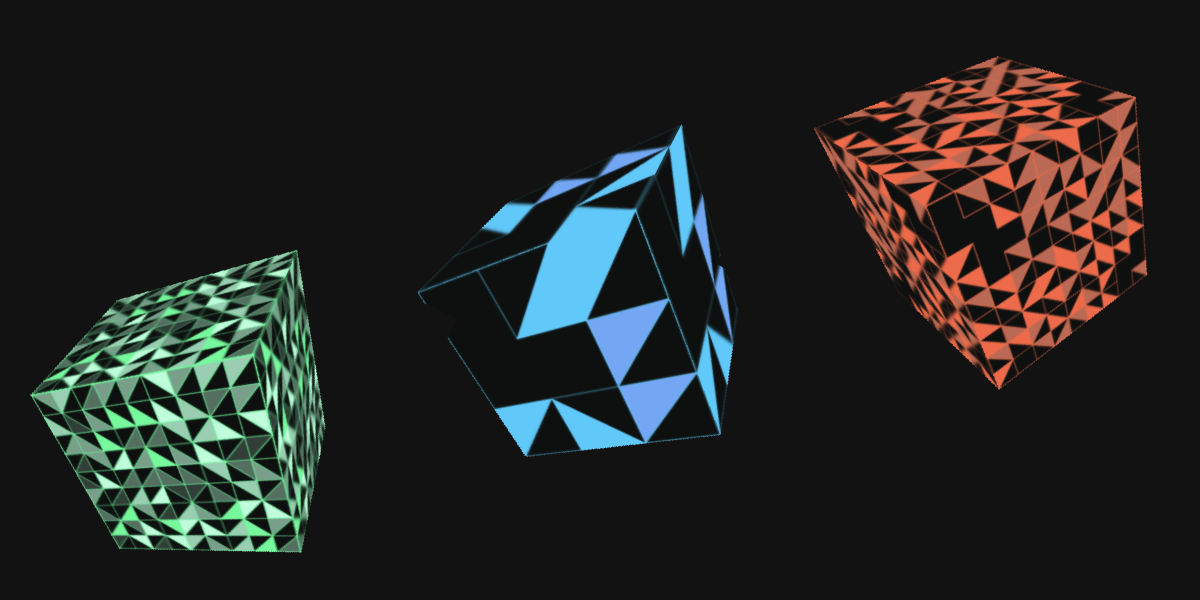
A generative art protocol that allows users to turn transactions history from their crypto-wallet into digital, customized NFT collectibles. Minted 2,000 and did 300 ETH in volume.
See the the collection here.
Scope:
Product conception, validation, and end-to-end design.
PIQLY (In progress — iOS launch January)
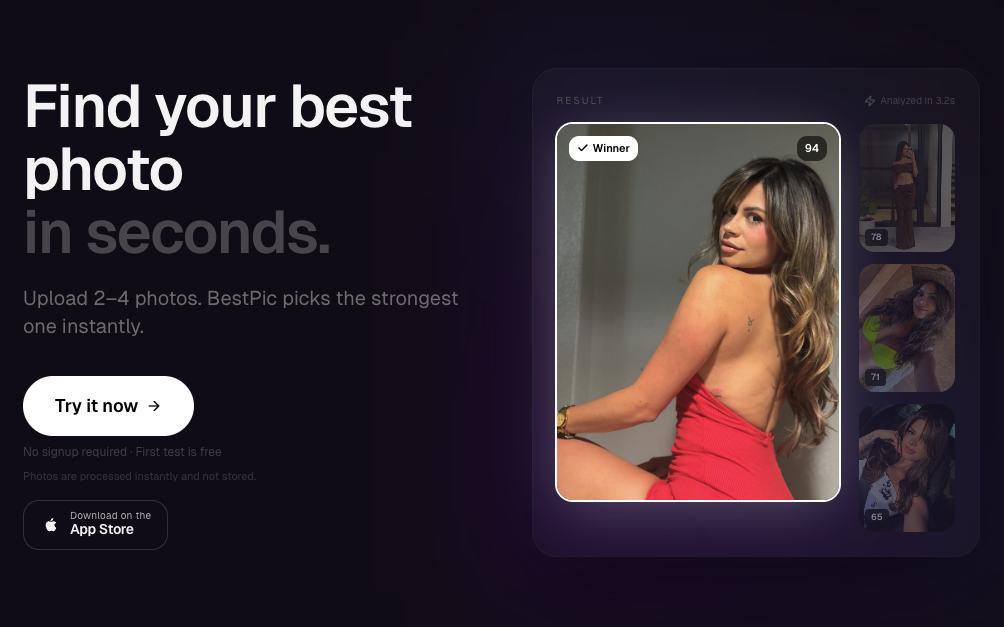
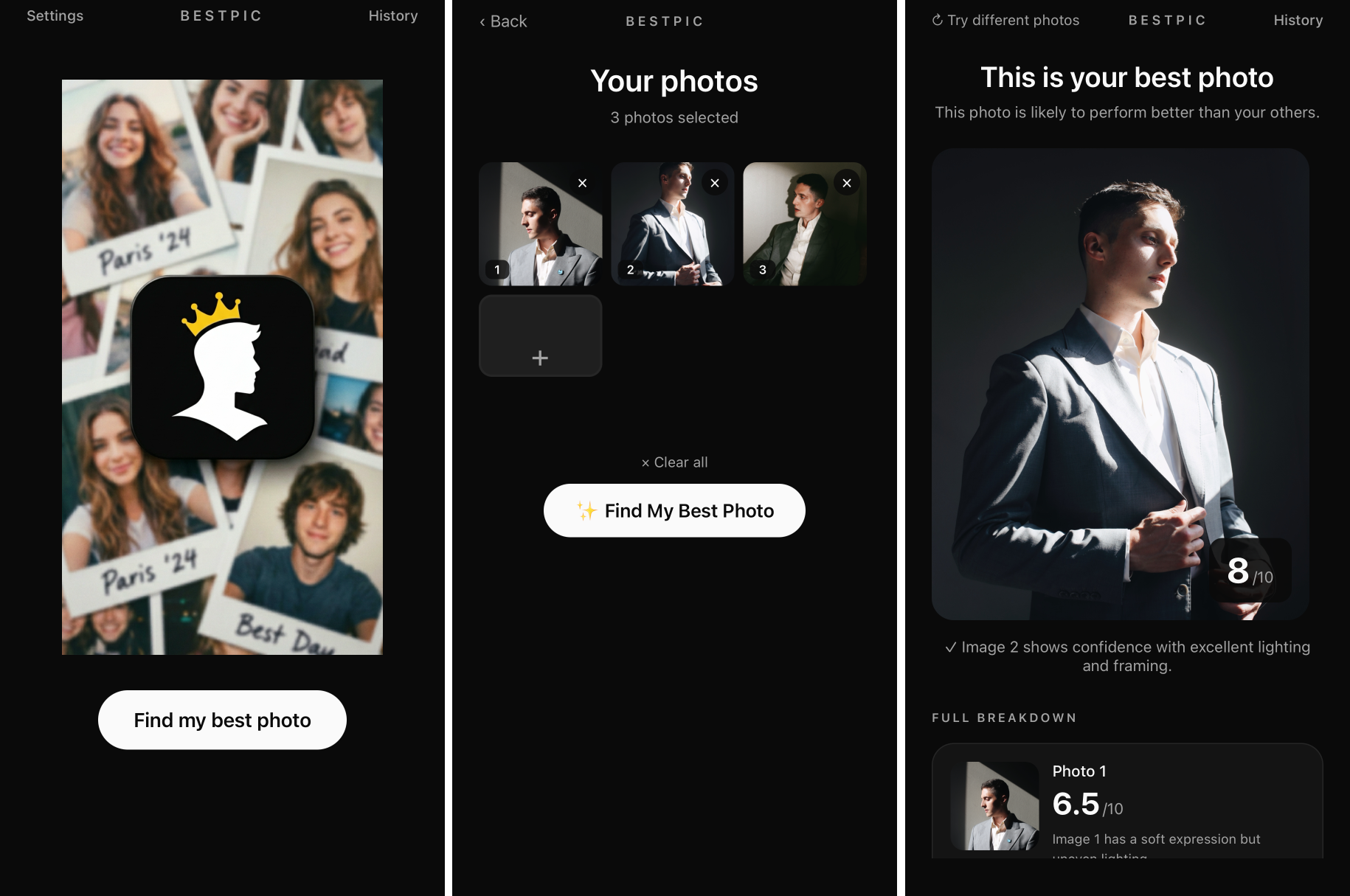
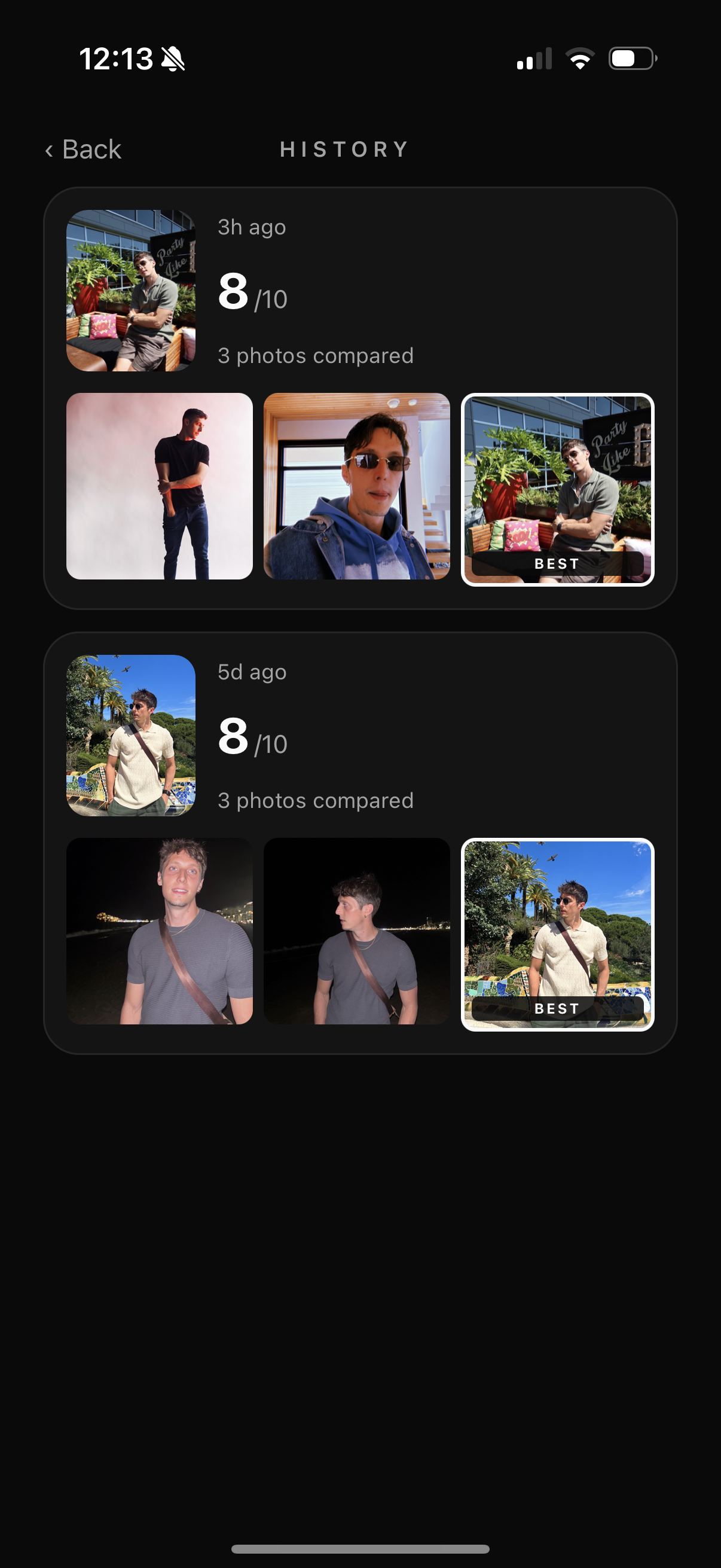
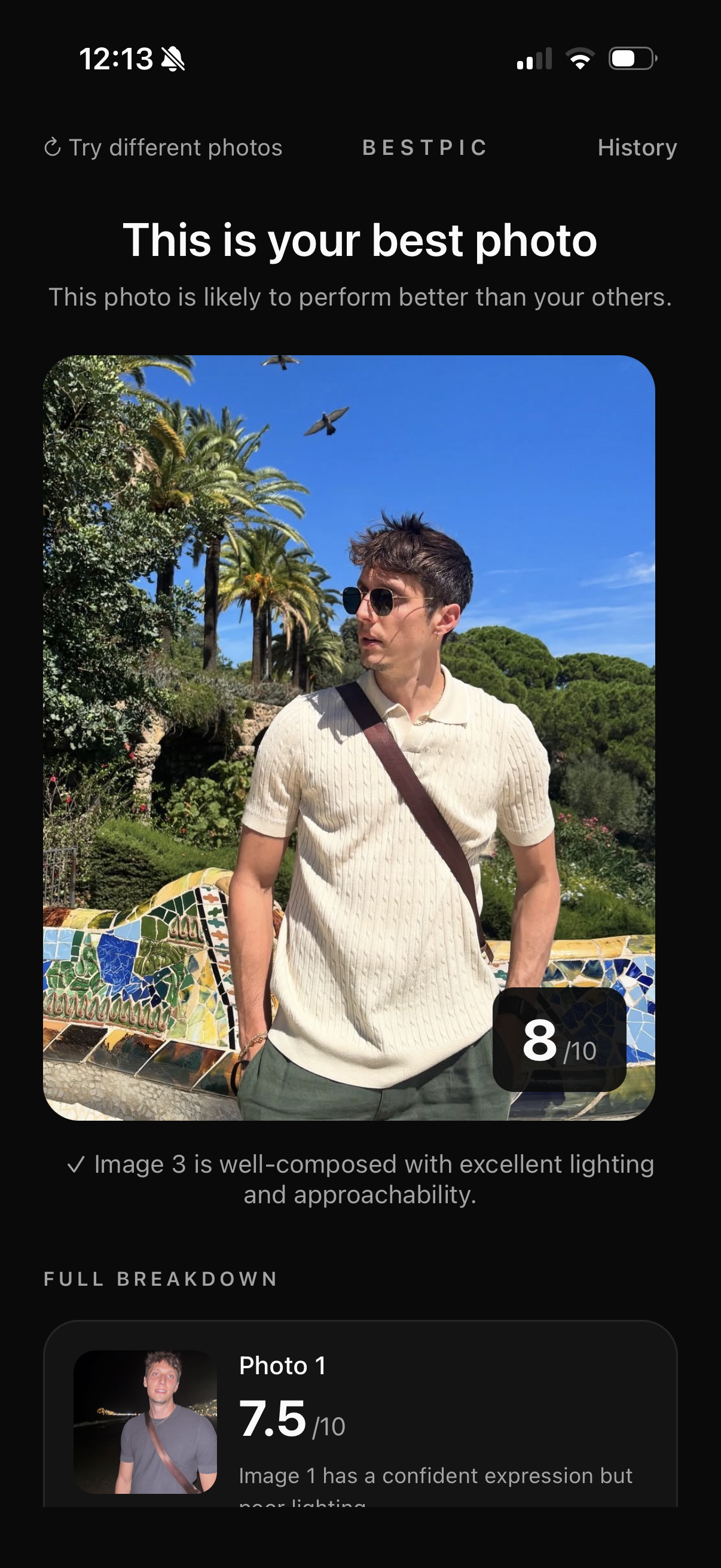
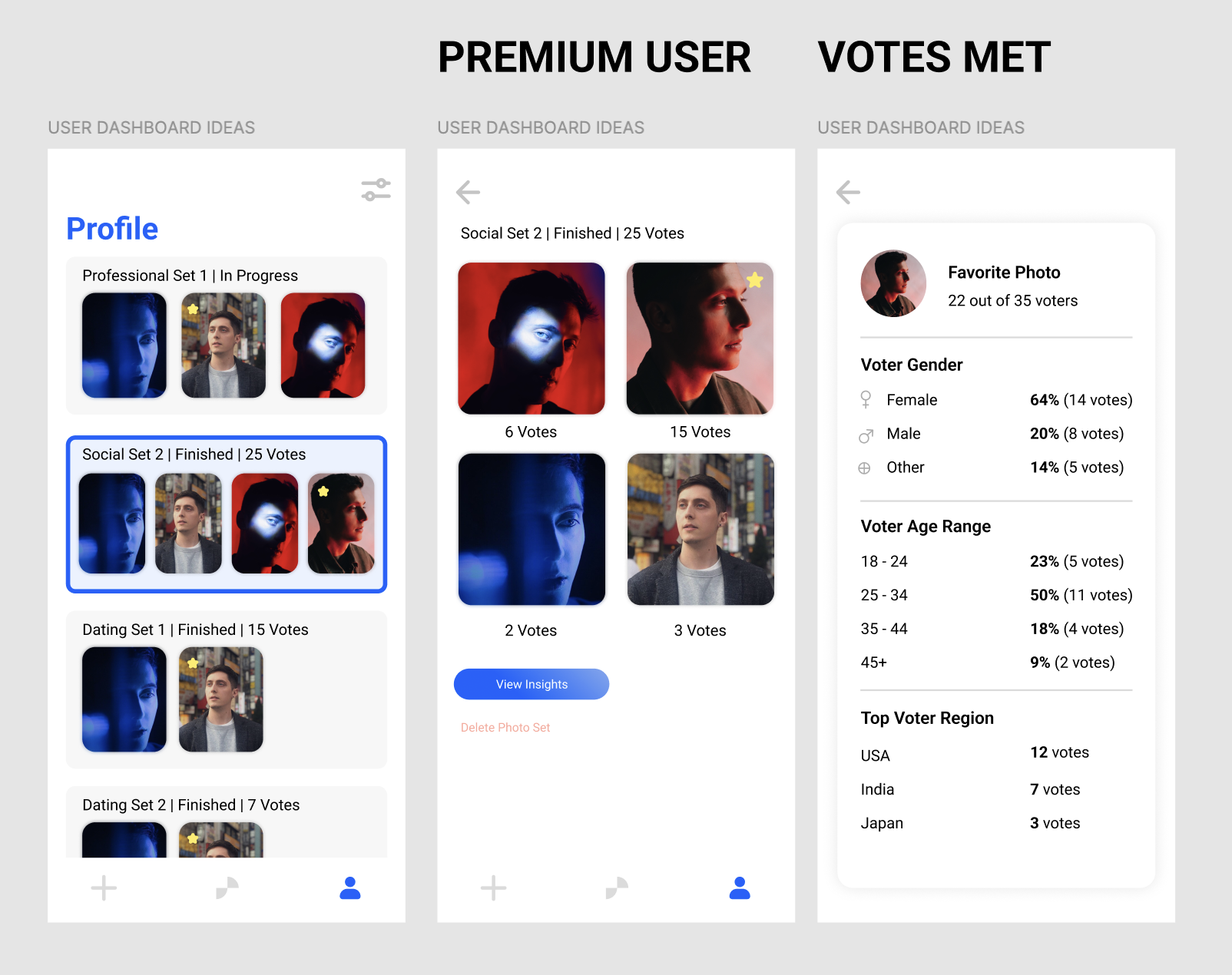
Piqly is a consumer app designed to help people identify their strongest photo across different contexts—social, dating, and professional. The project explores how taste, visual judgment, and lightweight crowd feedback can reduce decision fatigue around a surprisingly common problem.
Users upload a small set of photos, which are evaluated through a structured voting system. Over time, Piqly surfaces clear signals—such as preference trends across demographics—helping users understand not just which photo performs best, but why.
The product is currently in development, with an iOS launch planned for January. Design decisions prioritize clarity, restraint, and trust, keeping the experience simple while making subjective feedback feel useful and legible.
Role: Founder / Product Designer
Scope: Product concept, UX, interaction design, branding
Bloqdrop
Bloqdrop was an early exploration in simplifying how people share their digital identity. The project emerged in 2019 after observing how seamlessly QR codes were used across Asia compared to their limited adoption in the US.
I designed Bloqdrop as a mobile-first product that treated the camera as the primary interface—allowing users to quickly share links, profiles, and social presence through a single QR code. The focus was on reducing friction in everyday interactions and designing around real-world behavior rather than novelty.
Bloqdrop reflects my approach to product design: identifying behavioral gaps early and building simple tools that anticipate where usage patterns are headed.
Role: Creator / Product Designerr